A Lifetime Dedicated to Animals and People: Nigel Mason Retires After 40 Years
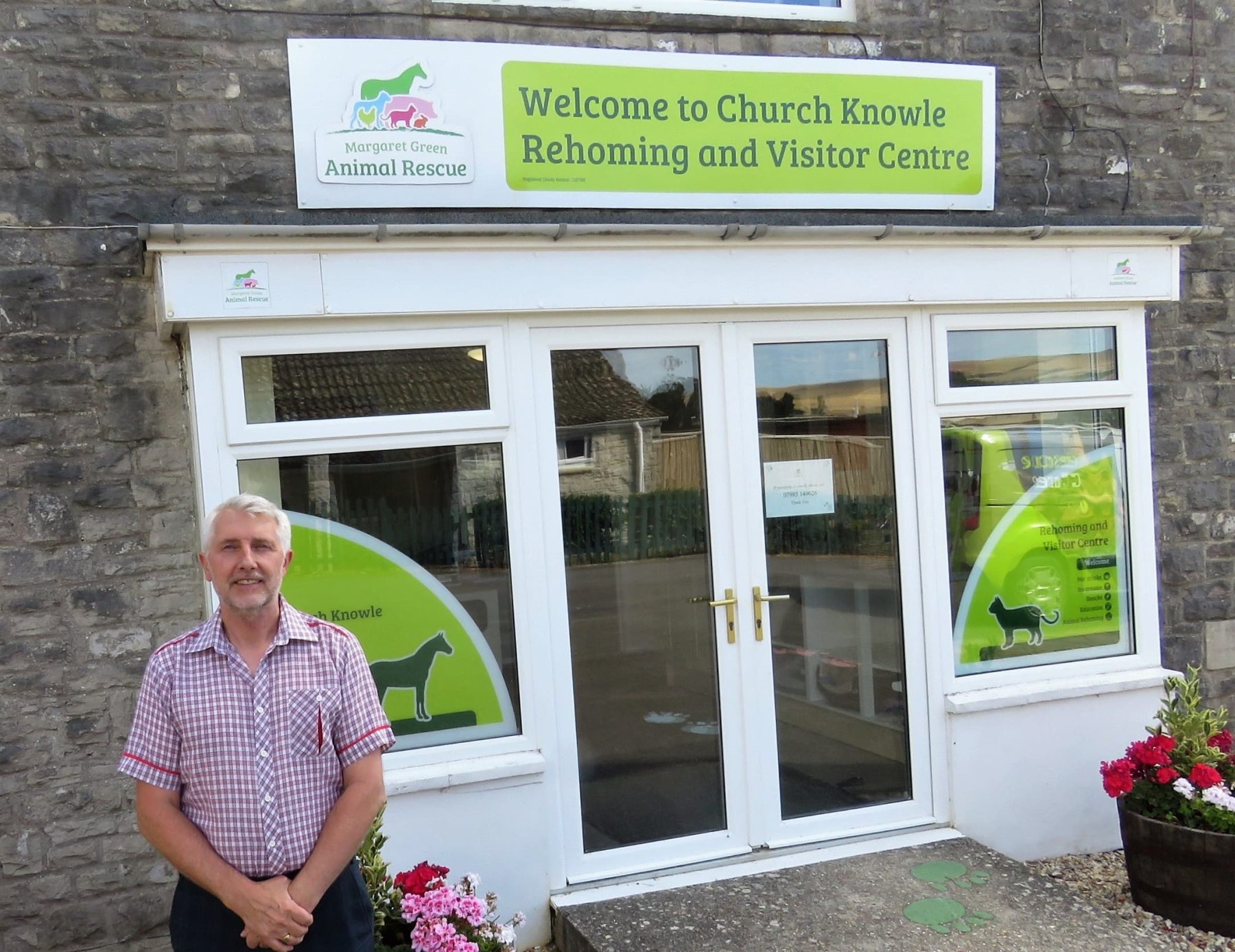
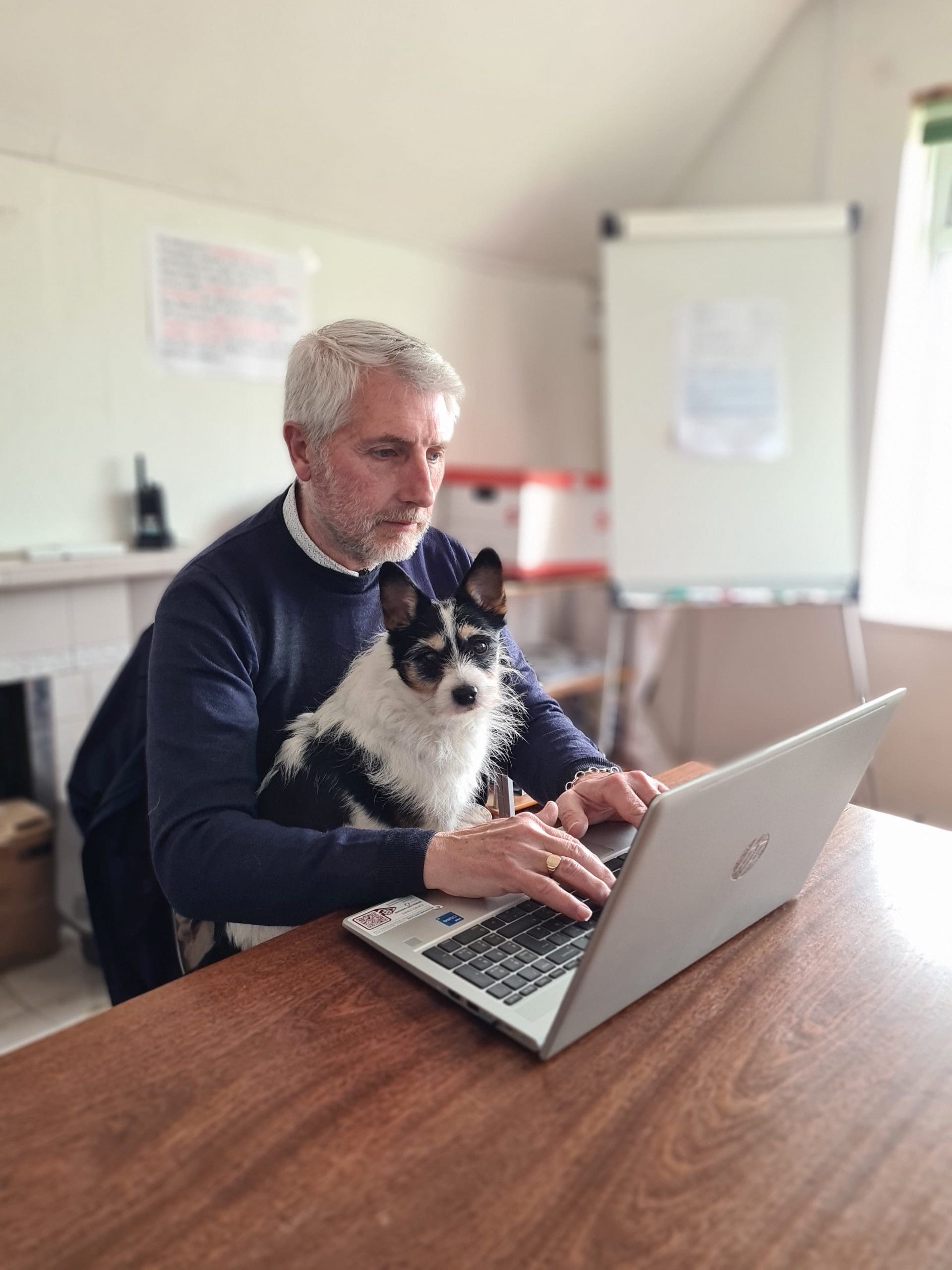
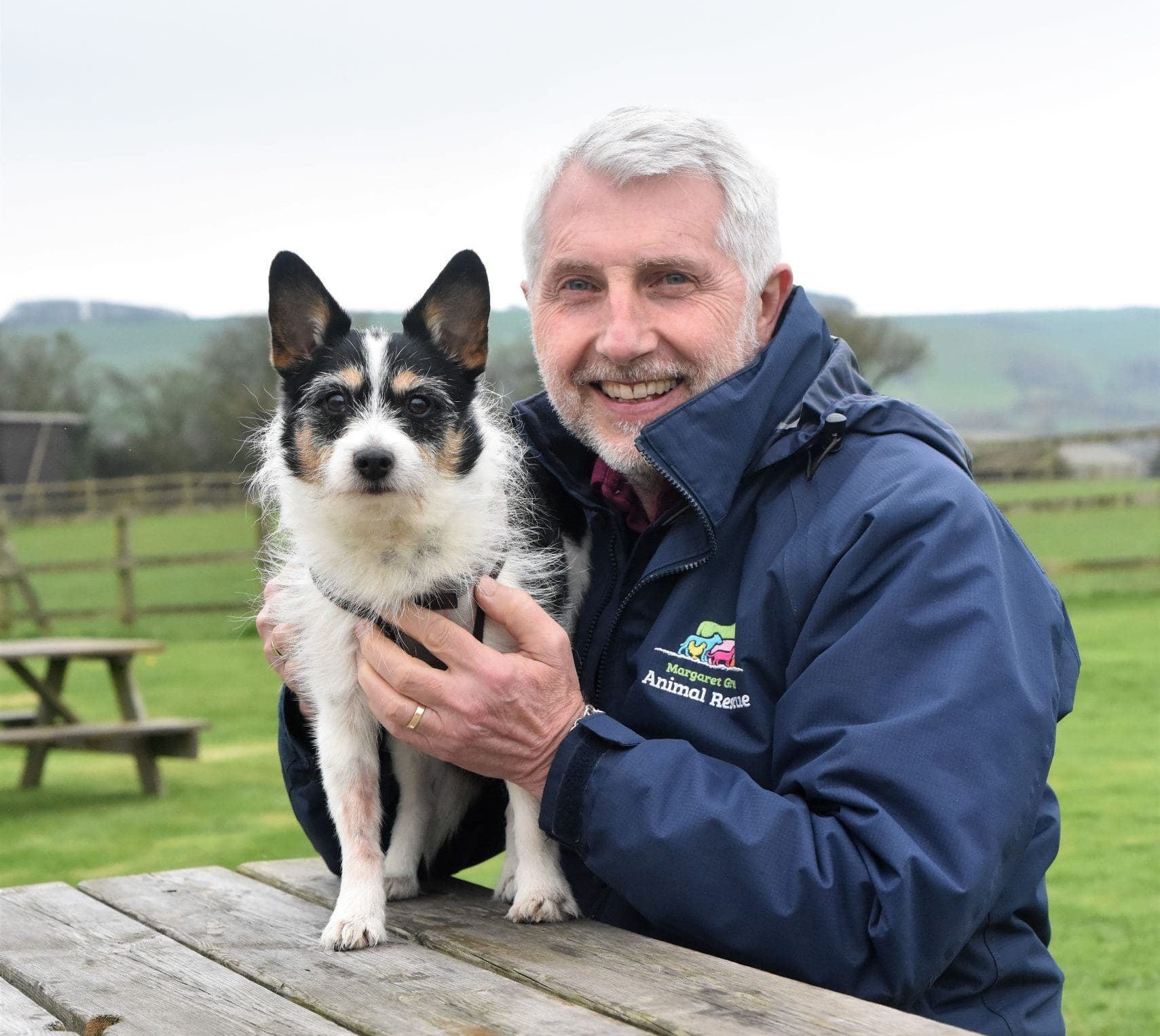
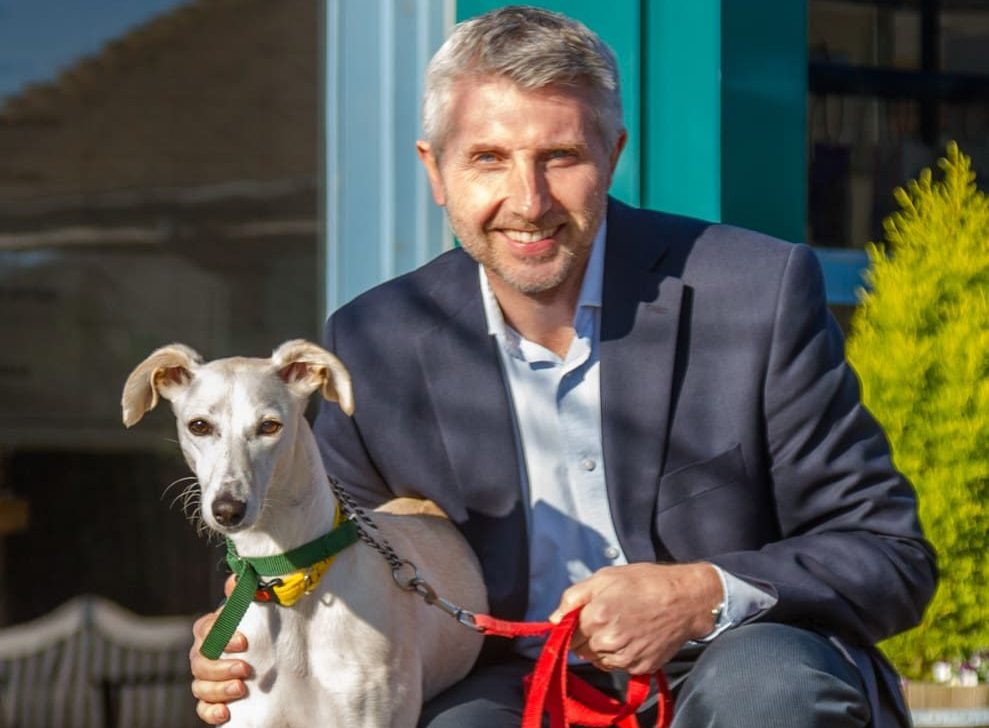
After more than 40 years in animal welfare, our CEO, Nigel Mason, is stepping down from his role at Margaret Green Animal Rescue to start his well-earned retirement.
Nigel is moving away from frontline charity leadership, following a career spent helping to modernise some of the UK’s best-known animal welfare organisations.
He has worked across the sector during a period of significant social and cultural change - from overcrowded rescue centres in the 1980s to today’s growing focus on prevention, collaboration and community support.
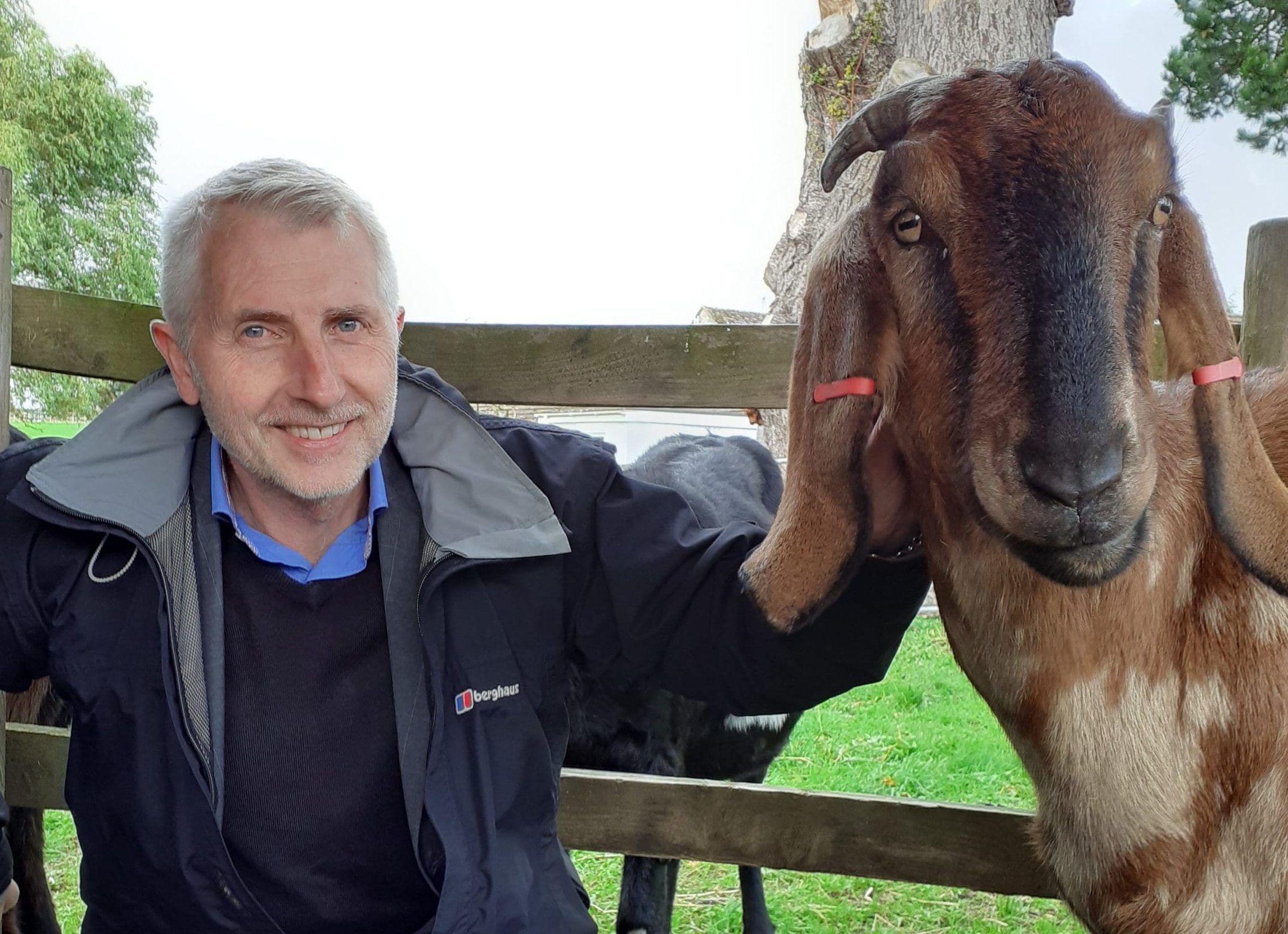
“I suppose the thread through all of it has been transformation,” he says. “Improving what was already there - modernising services, changing culture and creating better outcomes for both animals and people.”
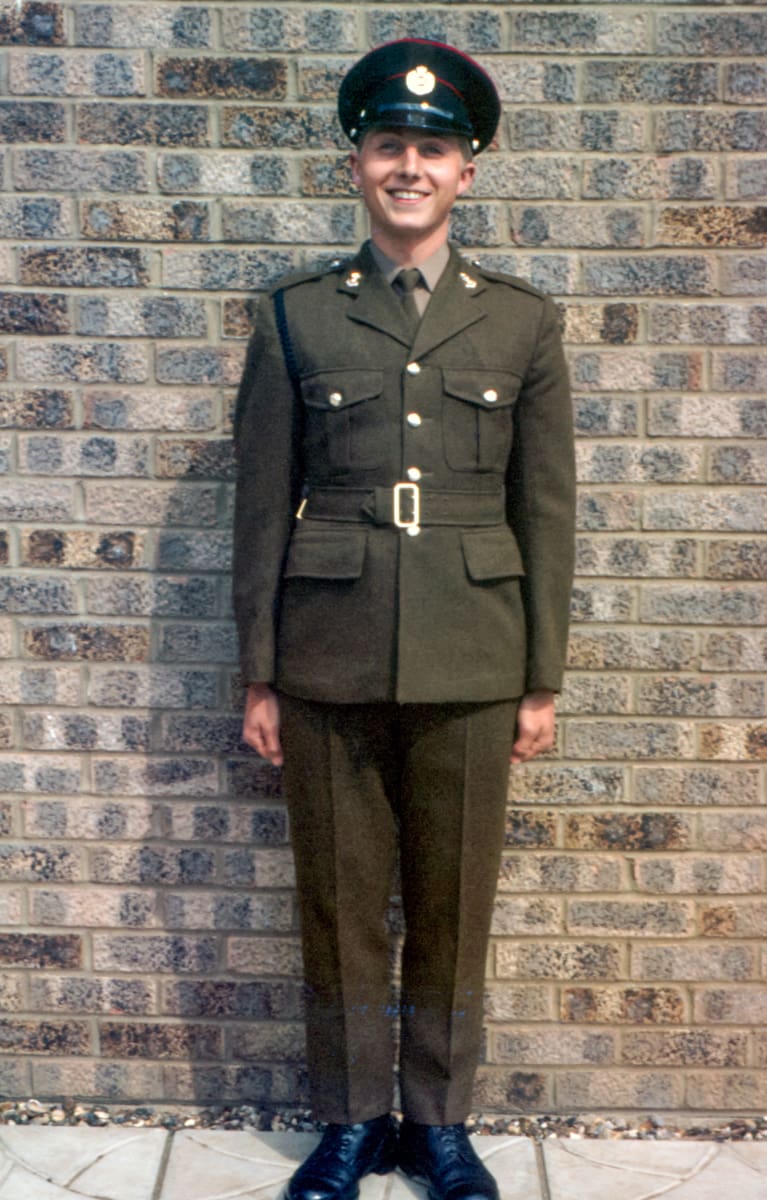
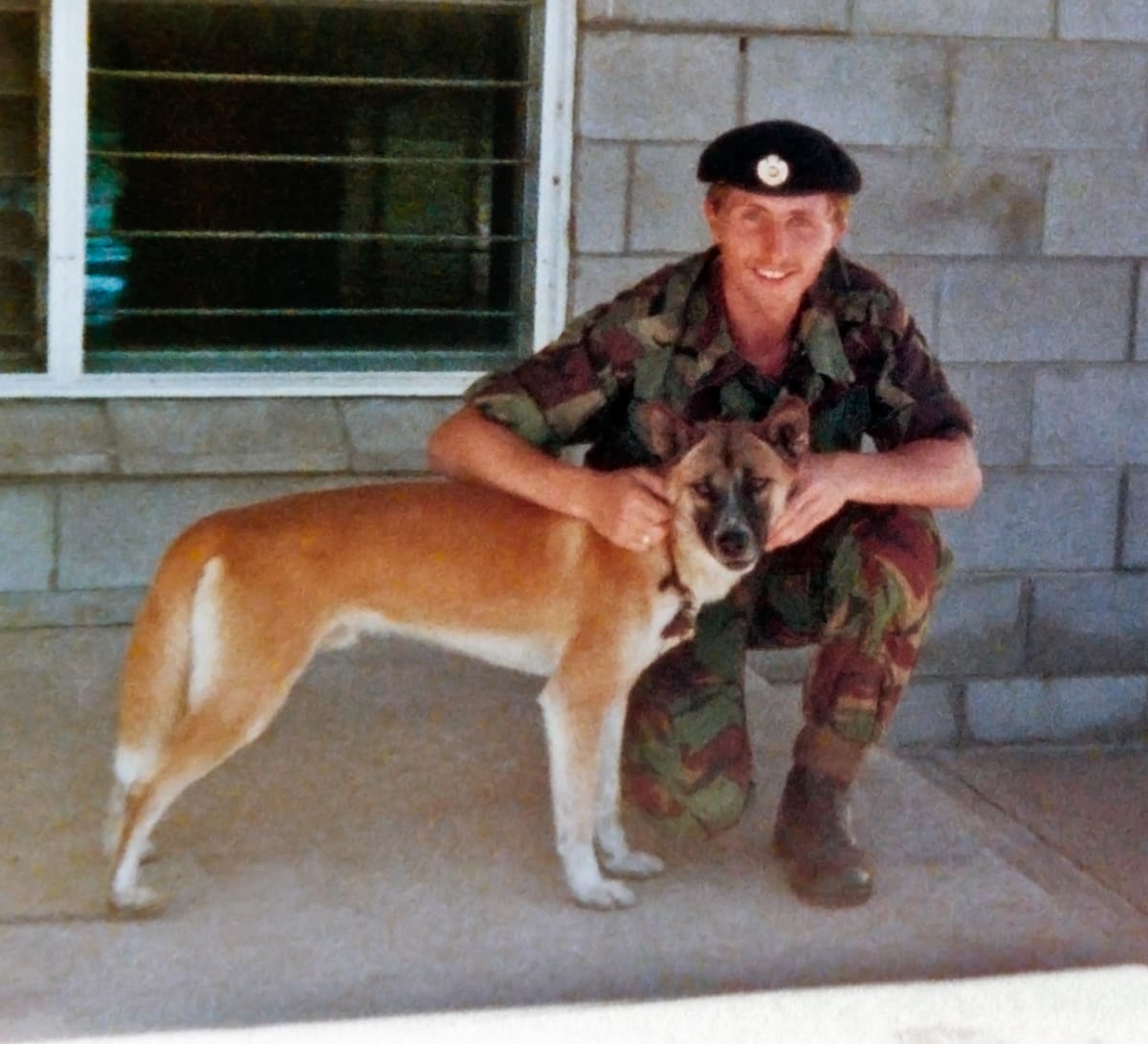
After serving in the British Army, Nigel joined the RSPCA as an inspector in 1980 at a time when demand on the sector was overwhelming and rescue centres were routinely overcrowded.
“The volume of animals then was huge,” he says. “There simply weren’t enough homes.”
Those early experiences shaped his long-term belief in prevention and early intervention as essential parts of animal welfare work.
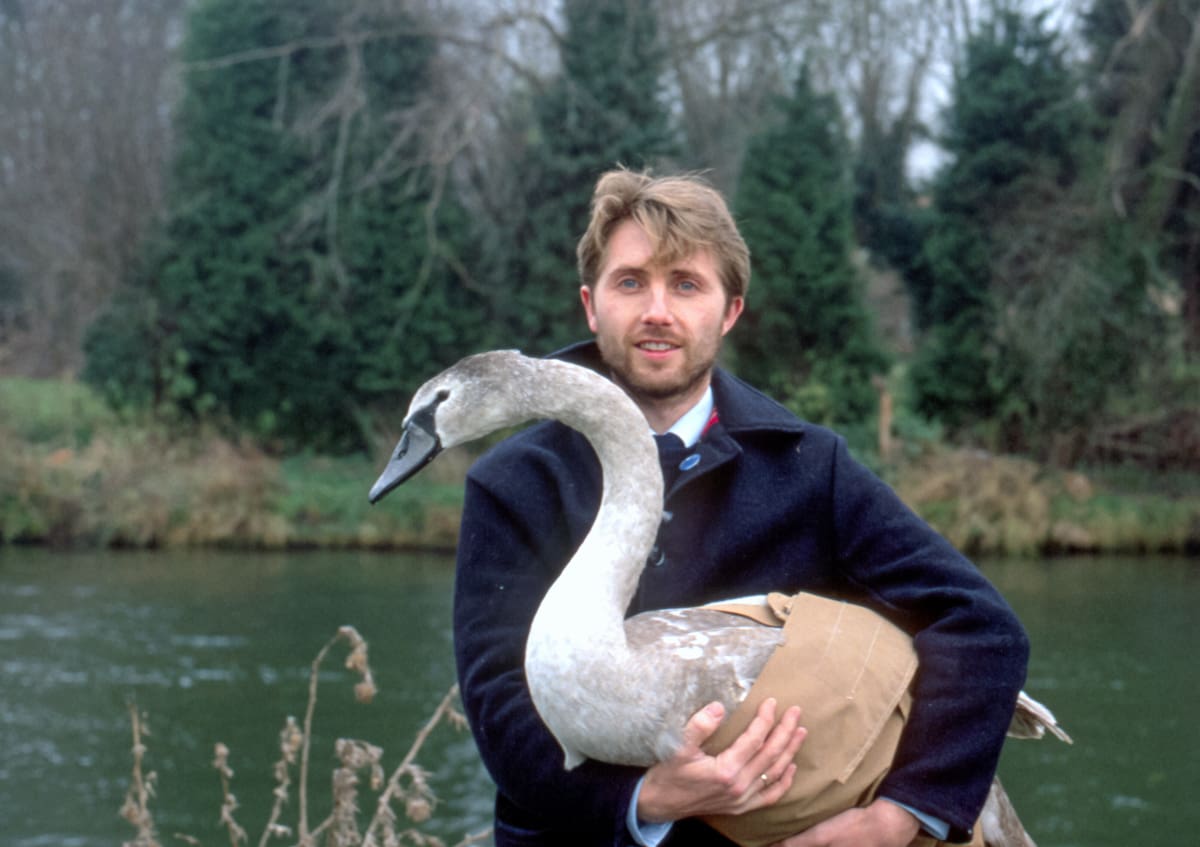
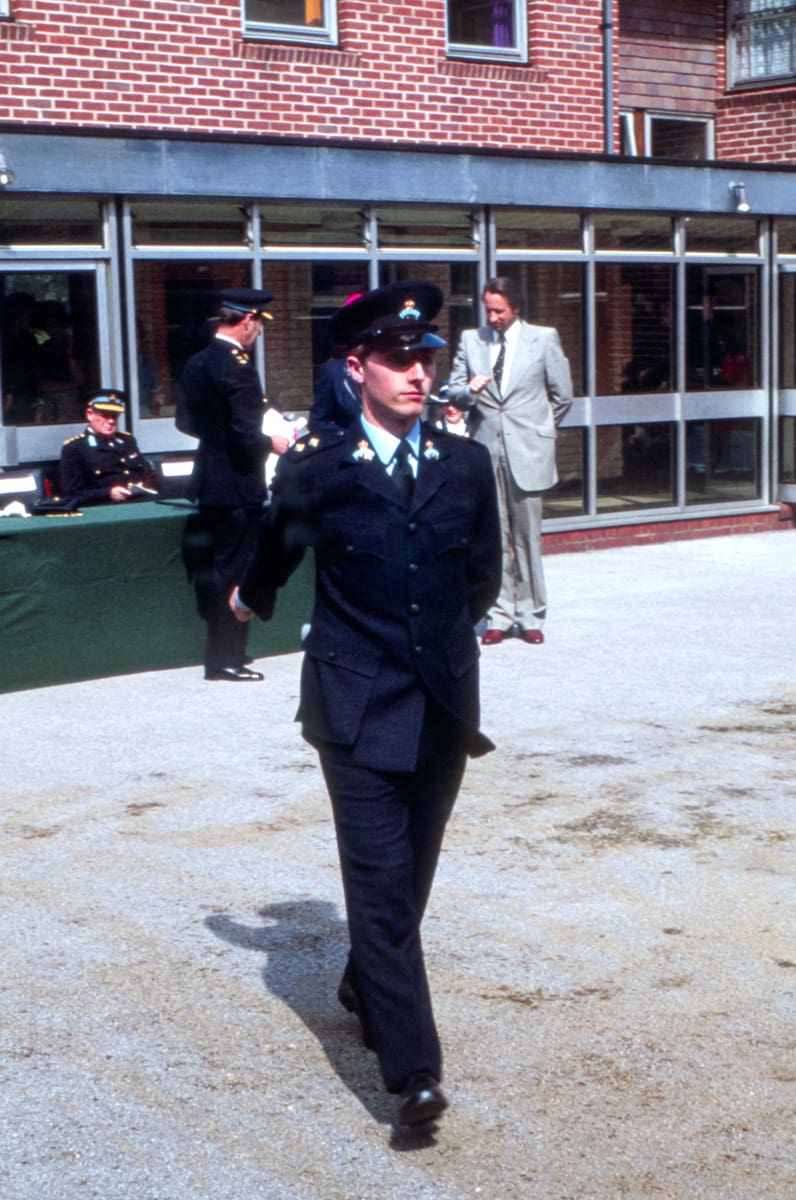
Nigel moved into senior operational management with Blue Cross in 1987, where he spent 13 years helping modernise services and develop new approaches to animal welfare.
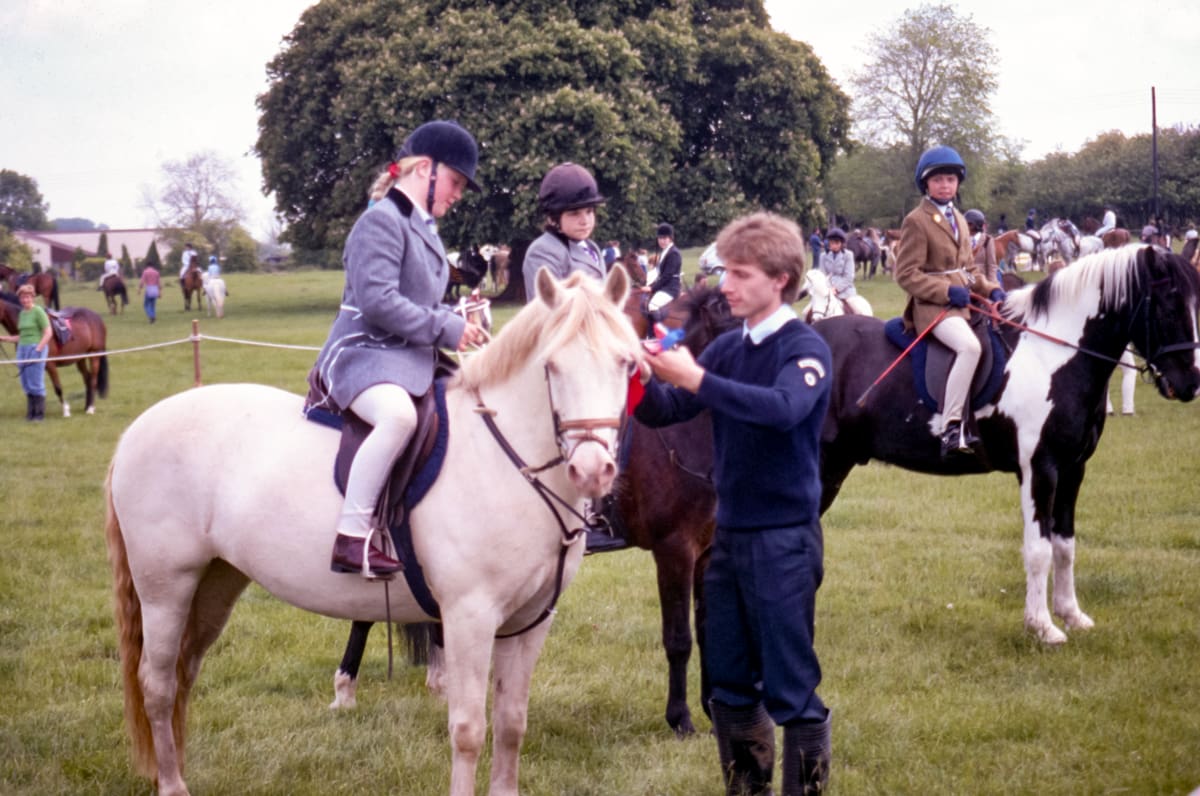
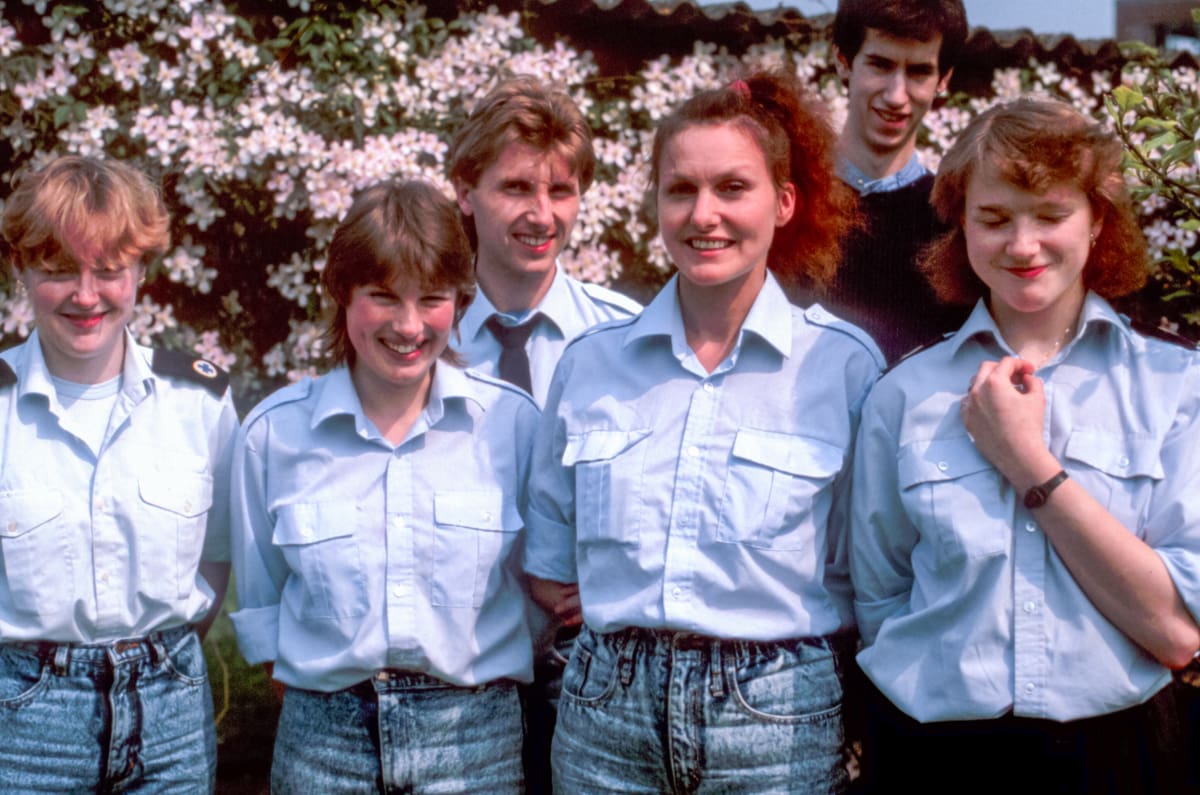
During this time, he worked alongside behaviourist, Gwen Bailey, to help pioneer one of the UK’s first behavioural assessment and dog matching services.
“We started looking much more seriously at matching the right dog with the right owner,” he says. “That became increasingly important as society changed.”
He later joined Wood Green Pets Charity as Head of Animal Welfare, where he led operational and welfare policy across three sites and helped modernise facilities and veterinary provision.
“That was probably when I really started to understand the importance of organisational culture,” he says.
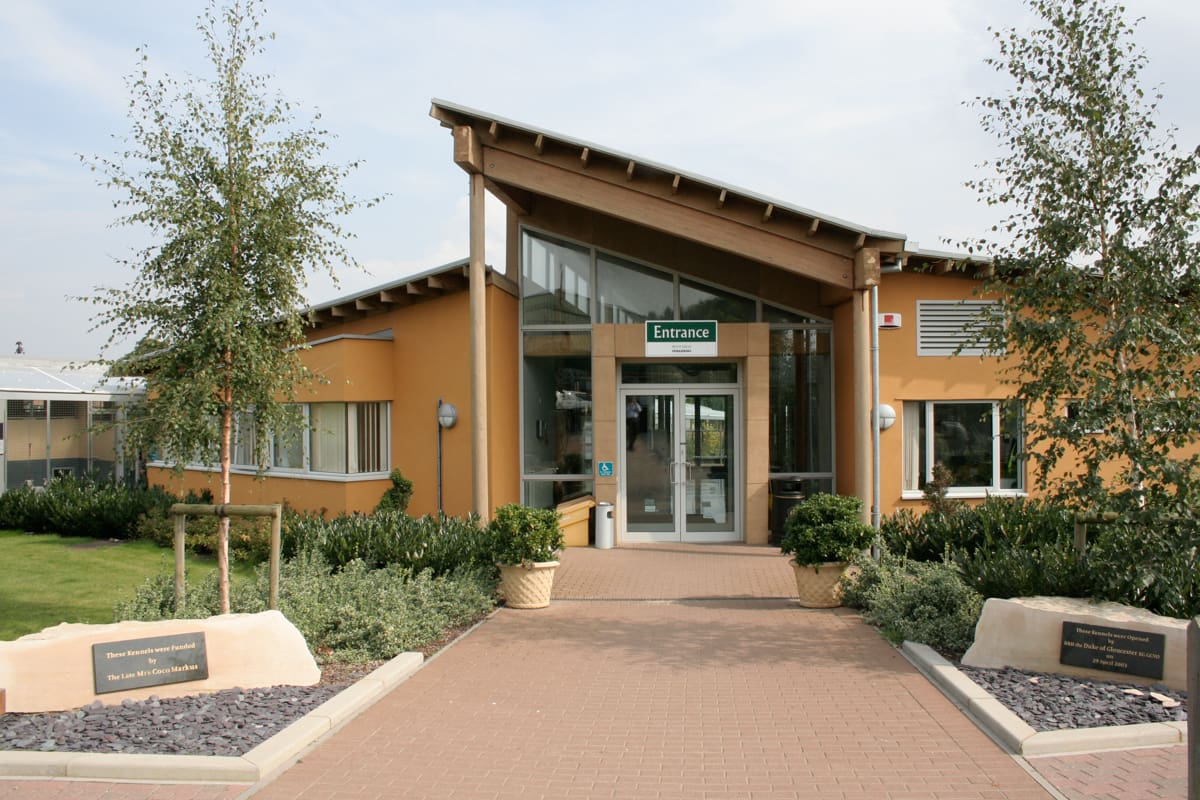
Culture change became a defining feature of Nigel’s leadership during his 11 years as Chief Executive at Raystede Centre for Animal Welfare.
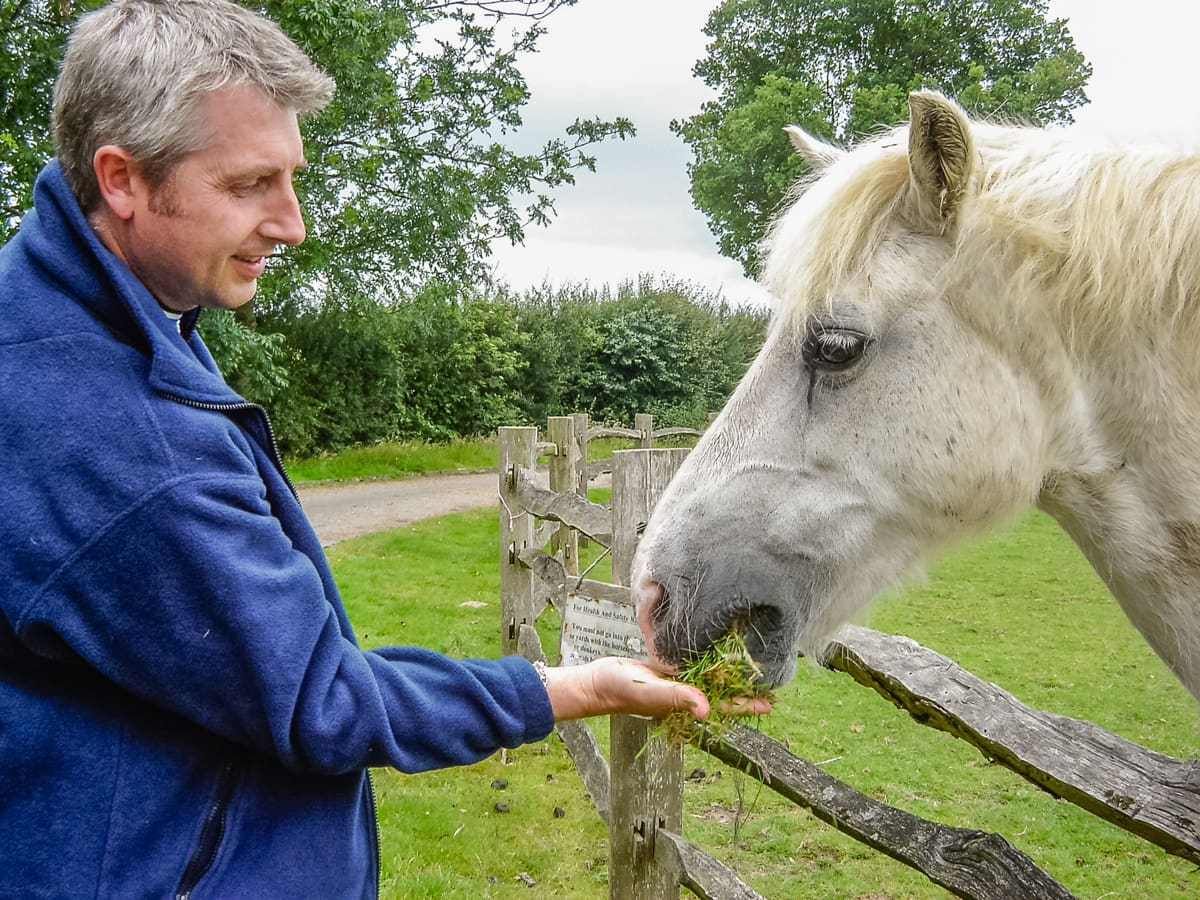
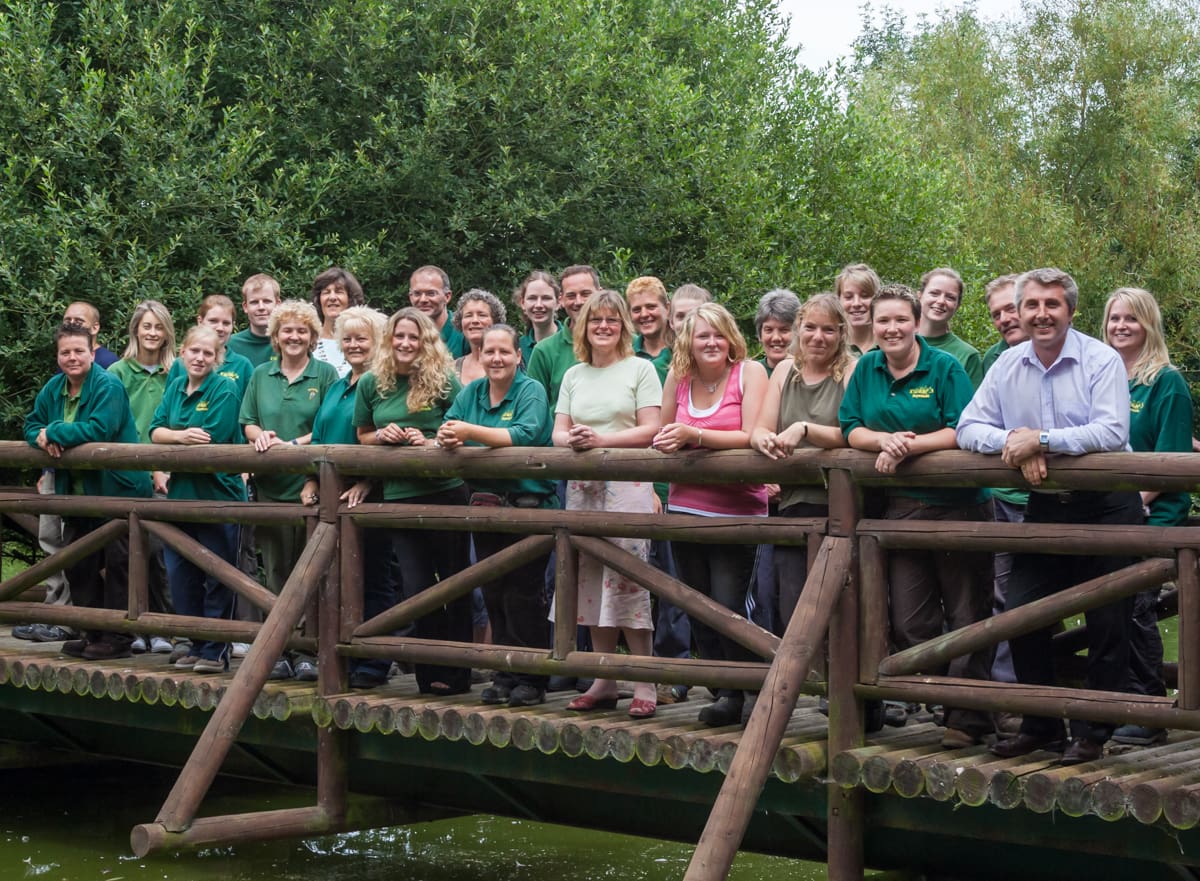
Under his leadership, the charity doubled its turnover within seven years, more than doubled animal rehoming outcomes and increased annual visitor numbers from 15,000 to 150,000.
Recognising the importance of financial sustainability, he also developed retail, café and education operations that generated significant income while expanding public engagement.
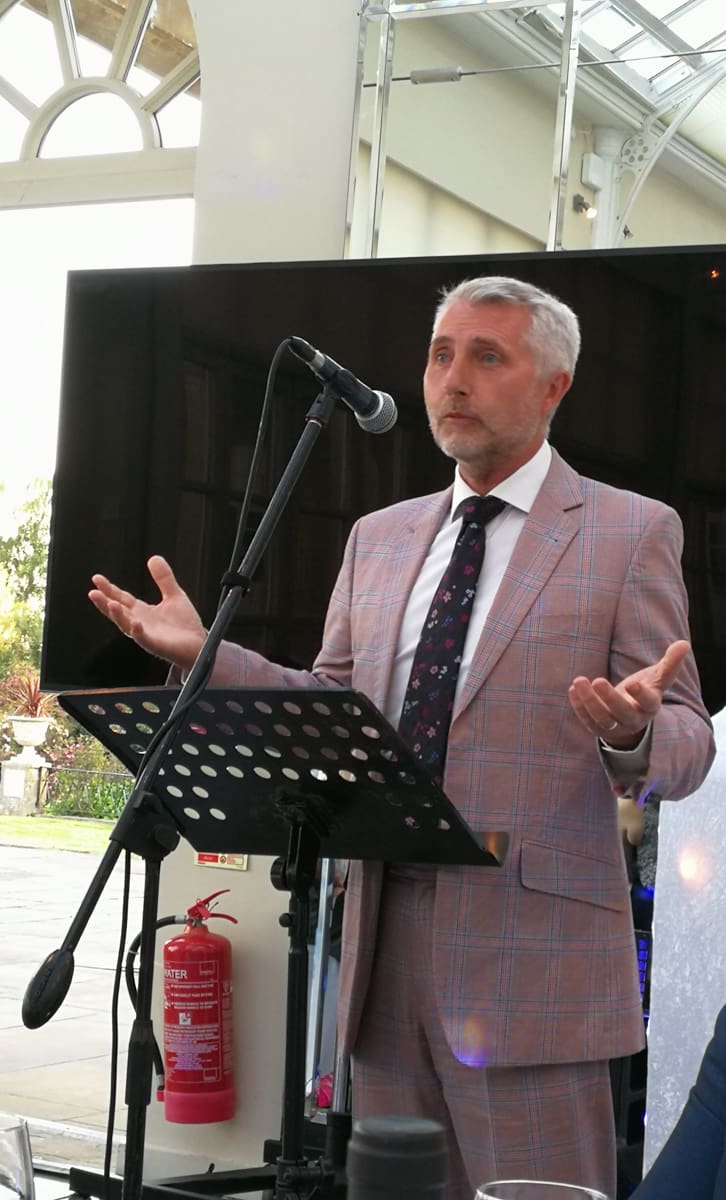
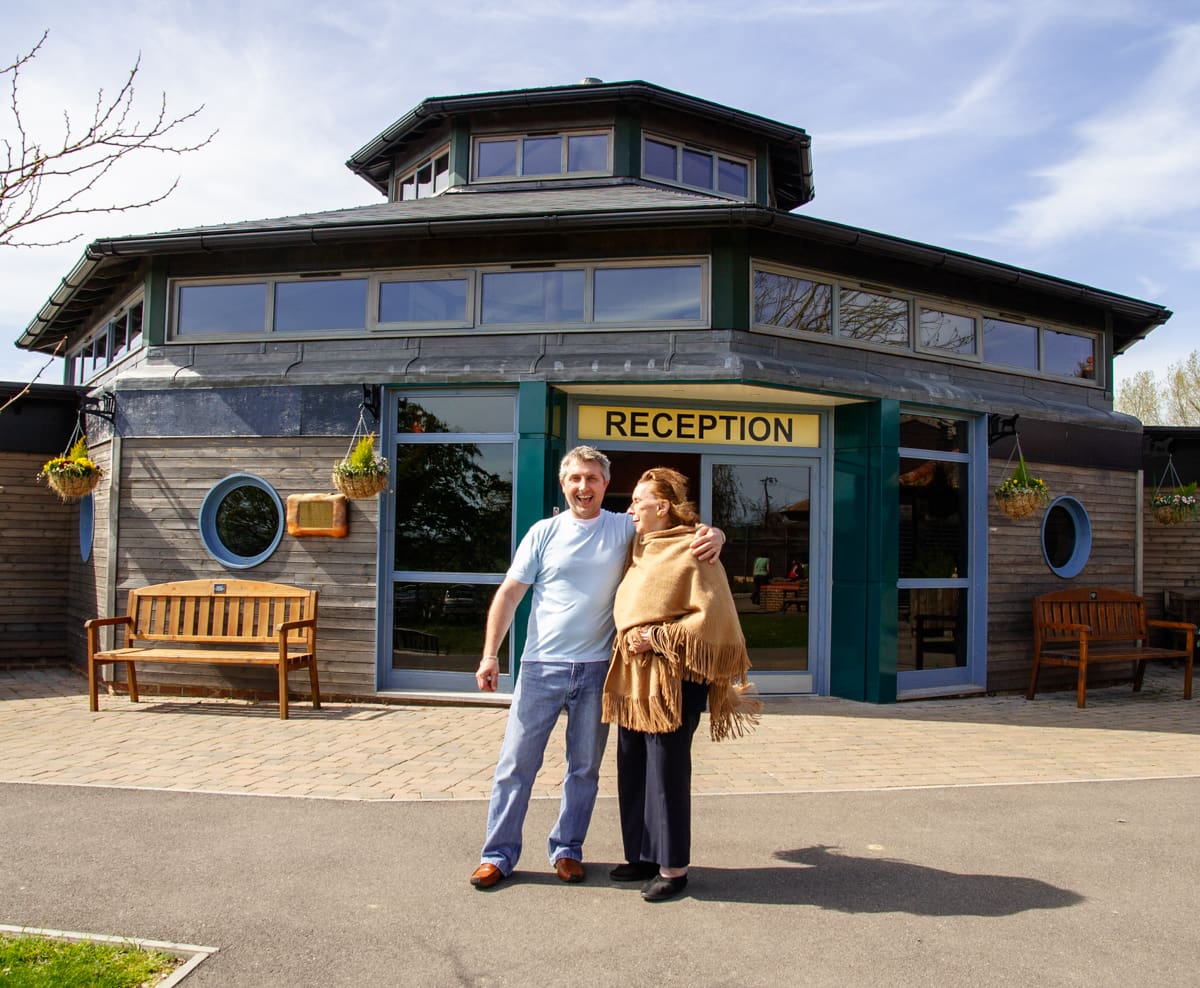
Nigel later became CEO of Assisi Animal Sanctuary, where he led another major period of organisational change, including the transition to a professionally managed senior leadership structure and the development of a long-term strategic plan.
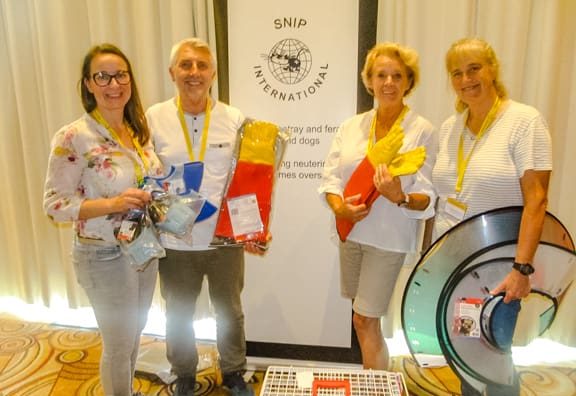
Throughout his career, Nigel says one lesson has remained constant.
“We’re a people charity that specialises in pets,” he says. “You cannot do this work without understanding people.”
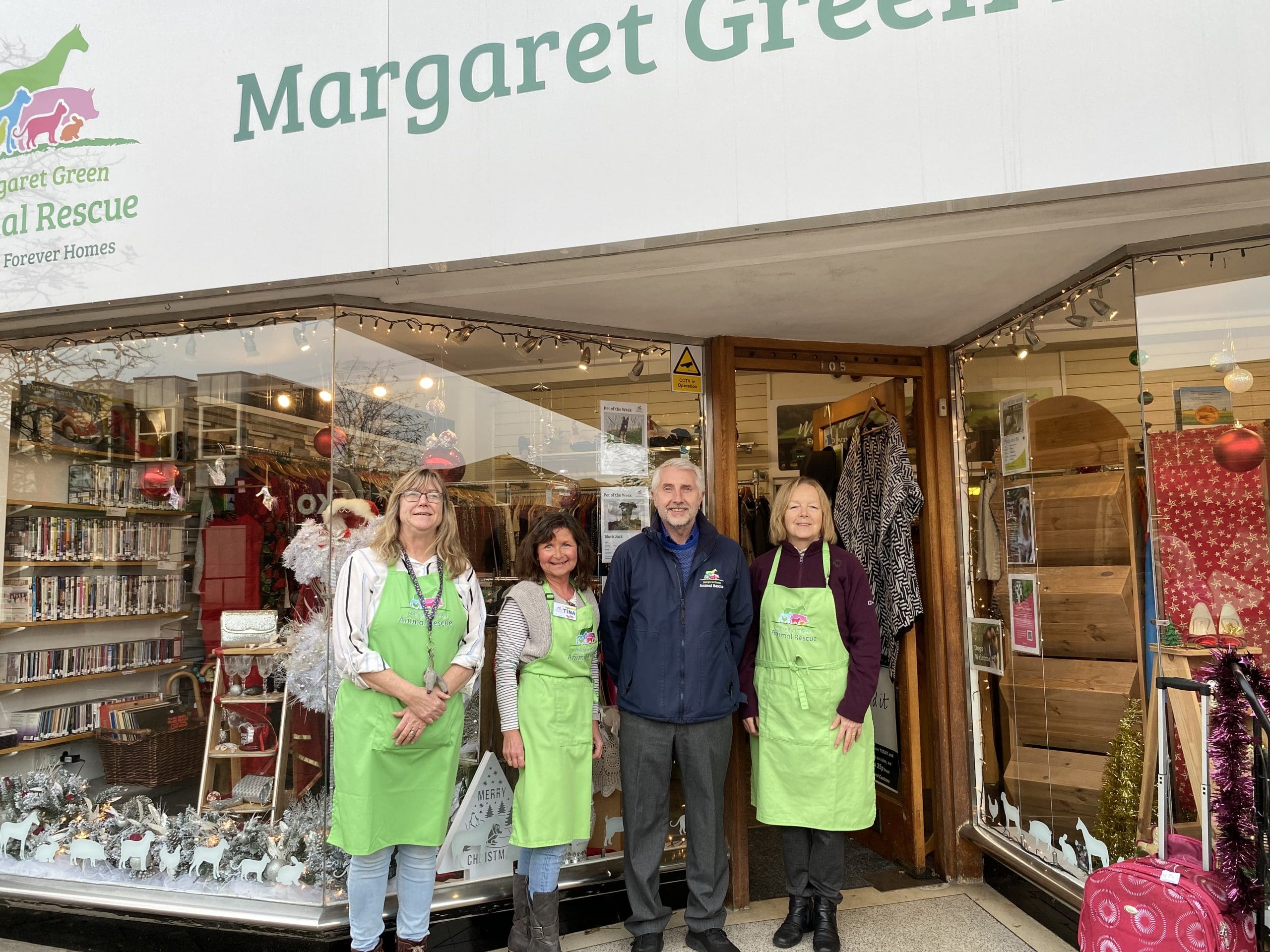
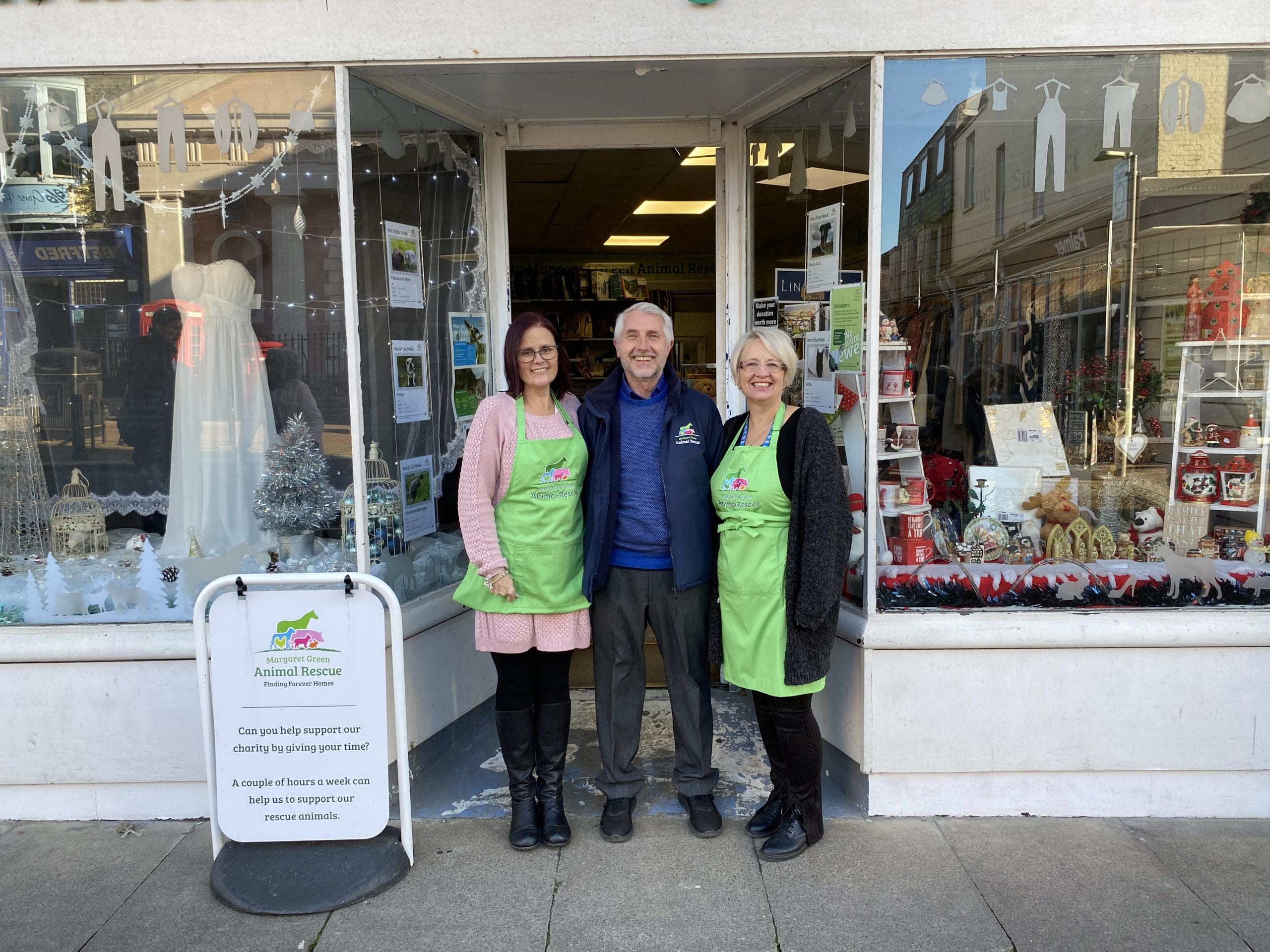
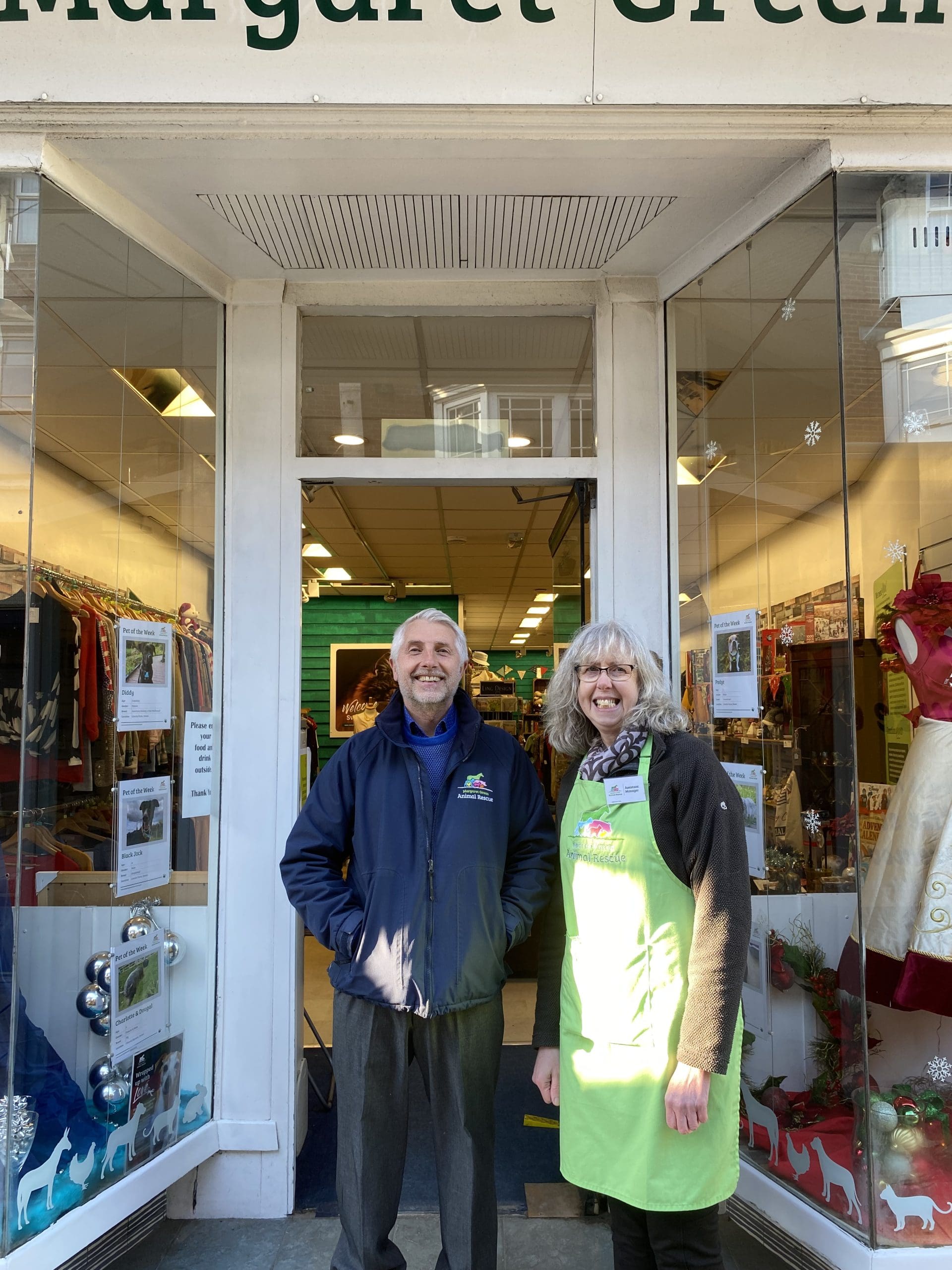
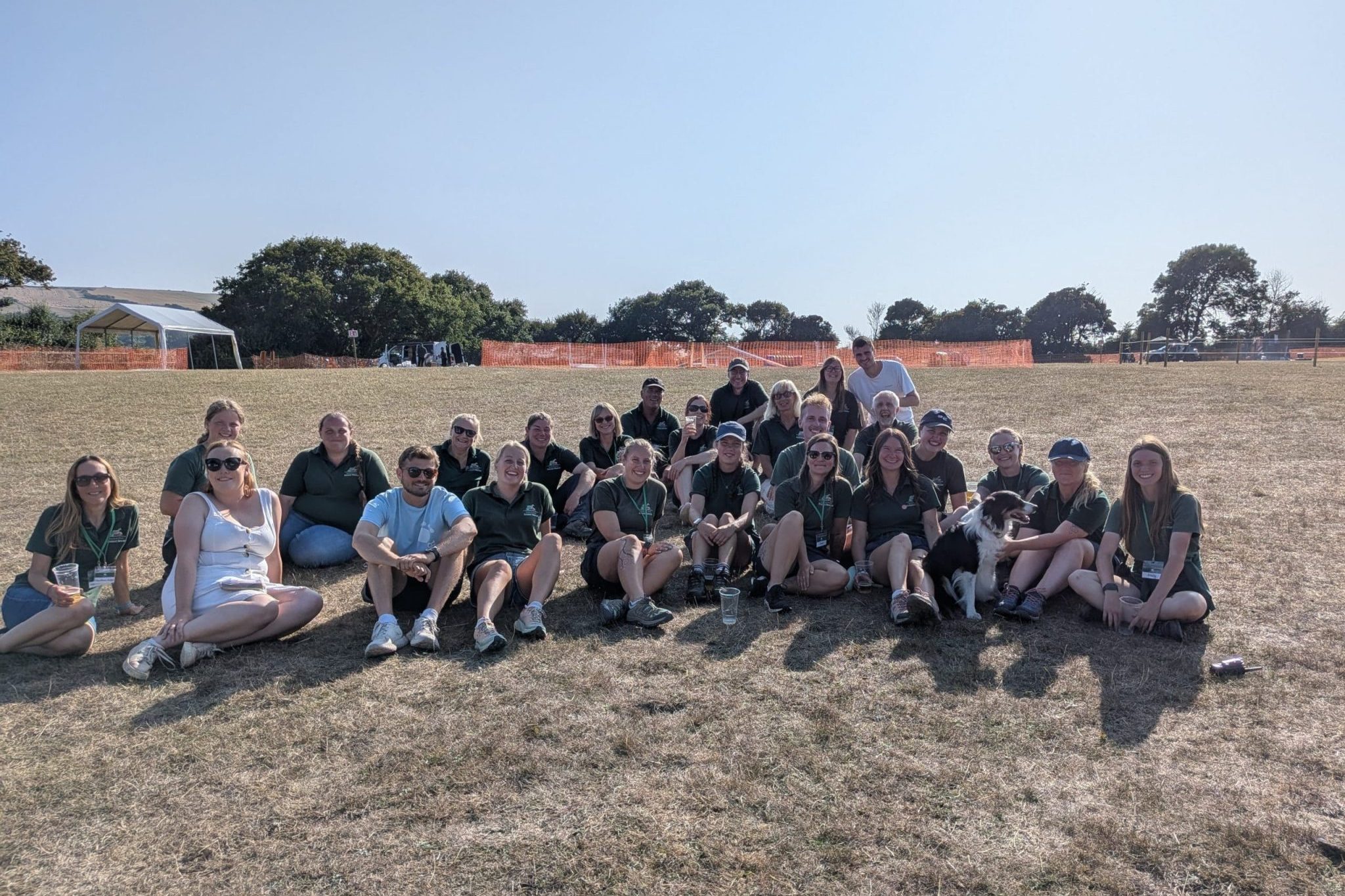
That philosophy also shaped his most recent leadership role here at Margaret Green Animal Rescue, where he has overseen our organisation with 75 staff, more than 200 volunteers, 3 rehoming centres and 8 charity shops.
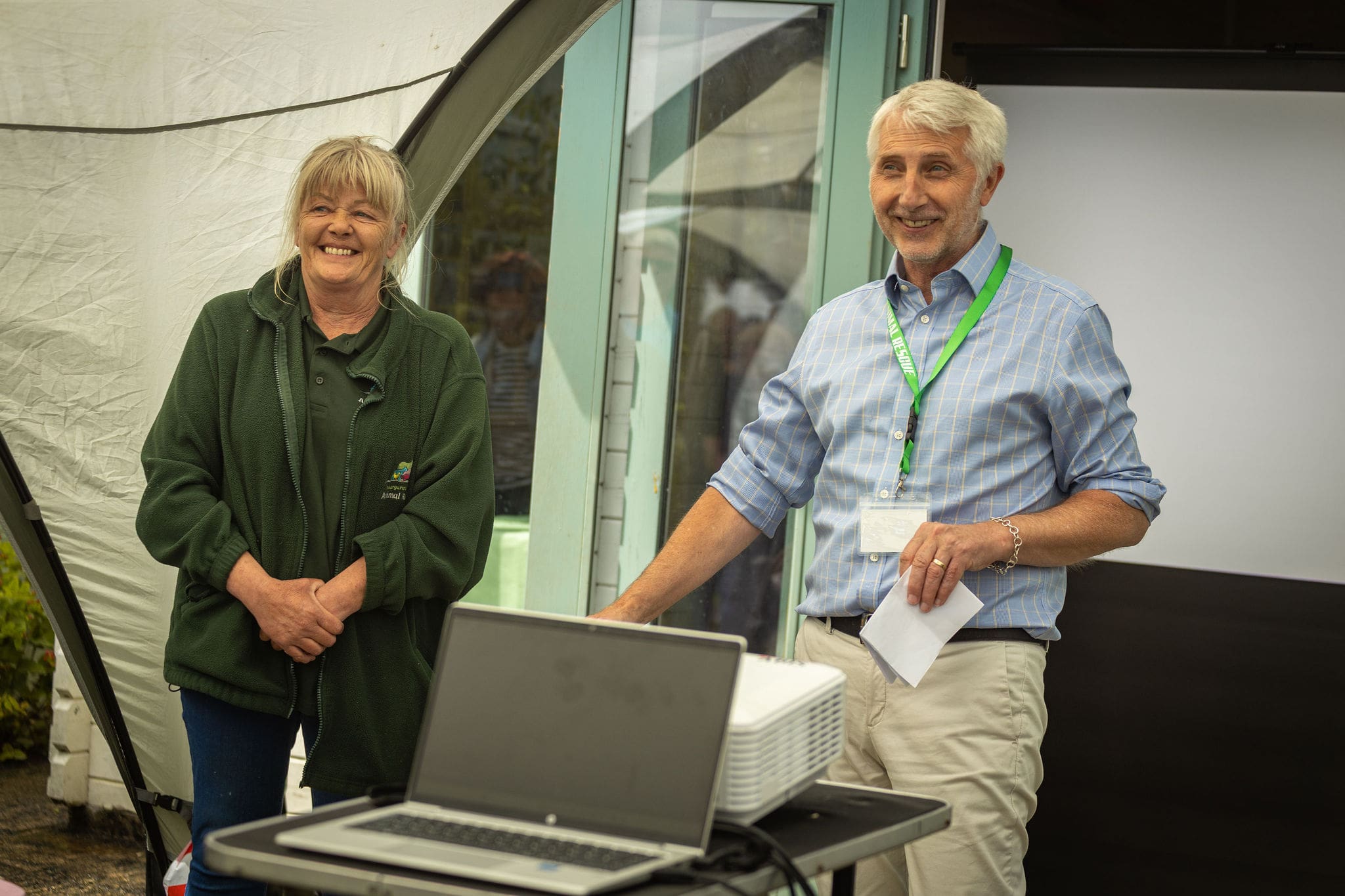
“If you create the right culture, you get happier people and happier animals,” he says. “That’s the foundation for everything else.”
Nigel believes the animal welfare sector is now entering another major period of change, driven by the long-term effects of the Covid-19 pandemic and the cost-of-living crisis.
“There’s been a lag effect,” he says. “We’re now seeing the consequences - particularly with cats and dogs bred during Covid that were never neutered.”
He believes the future of animal welfare lies increasingly in prevention rather than expanding traditional rescue models.
“For years the model was building kennels in remote places and expecting people to come to you,” he says. “Now the focus is shifting toward helping to keep animals in homes before crises happen.”
Nigel also points to growing collaboration across the sector as one of the most significant changes during his career.
“When I started, charities often worked very independently,” he says. “Now collaboration across the sector is huge, and that’s one of the best developments I’ve witnessed.”
Although stepping away from full-time leadership, Nigel says he plans to remain involved in animal welfare through trustee and consultancy work.
“There’s a lot of innovation happening now,” he says. “The sector is changing again, and in many ways, it’s an exciting time.
“It’s always about giving animals a better life — and helping people at the same time.”
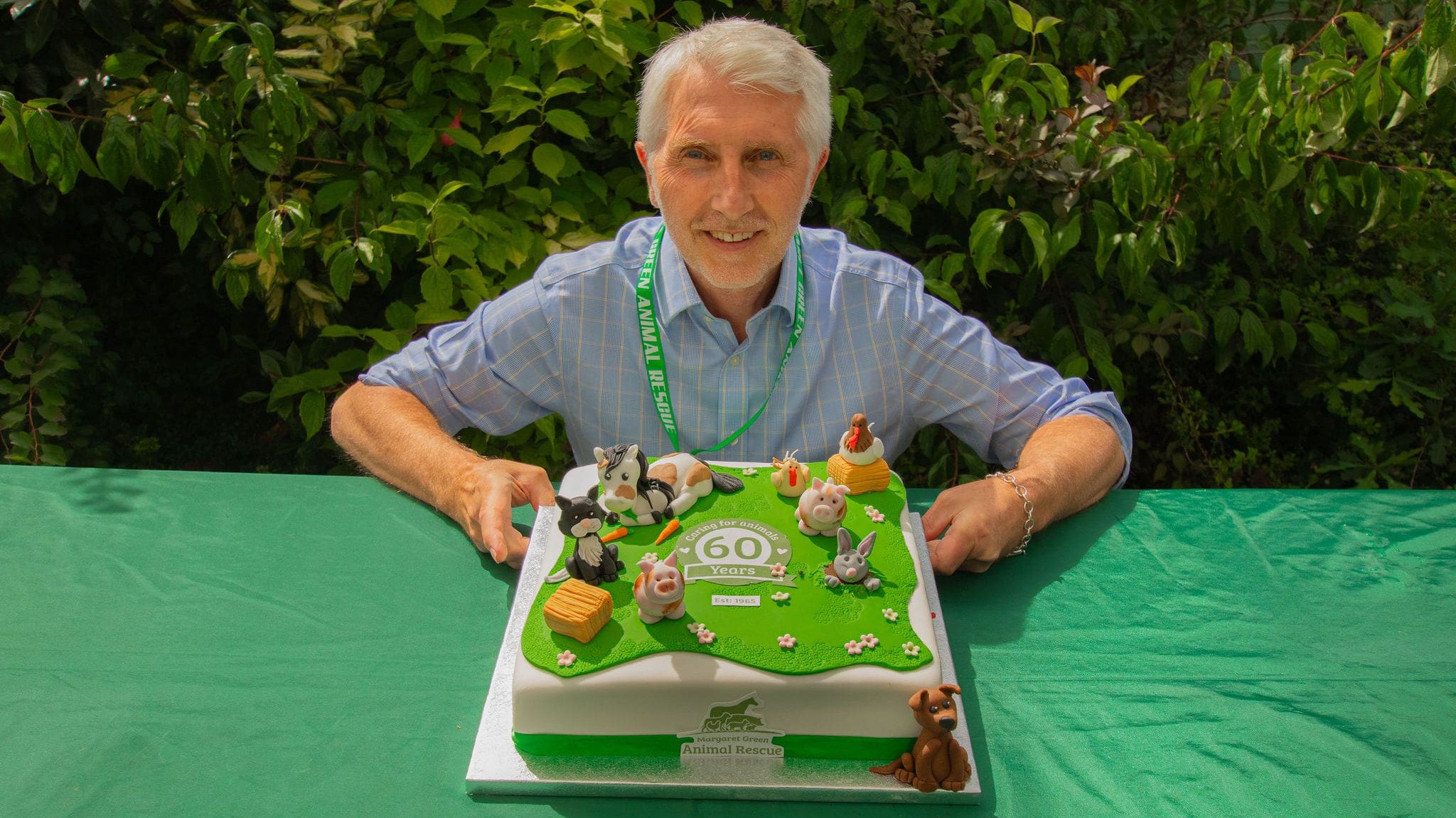
We are so grateful to Nigel for everything he has achieved and the many positive changes and big steps he’s taken to transform the charity’s future.
We wish him a very happy retirement, and we look forward to sharing more news about what’s to come soon.